

 Praneeth Kumar Pathakamudi, September 24, Khammam.
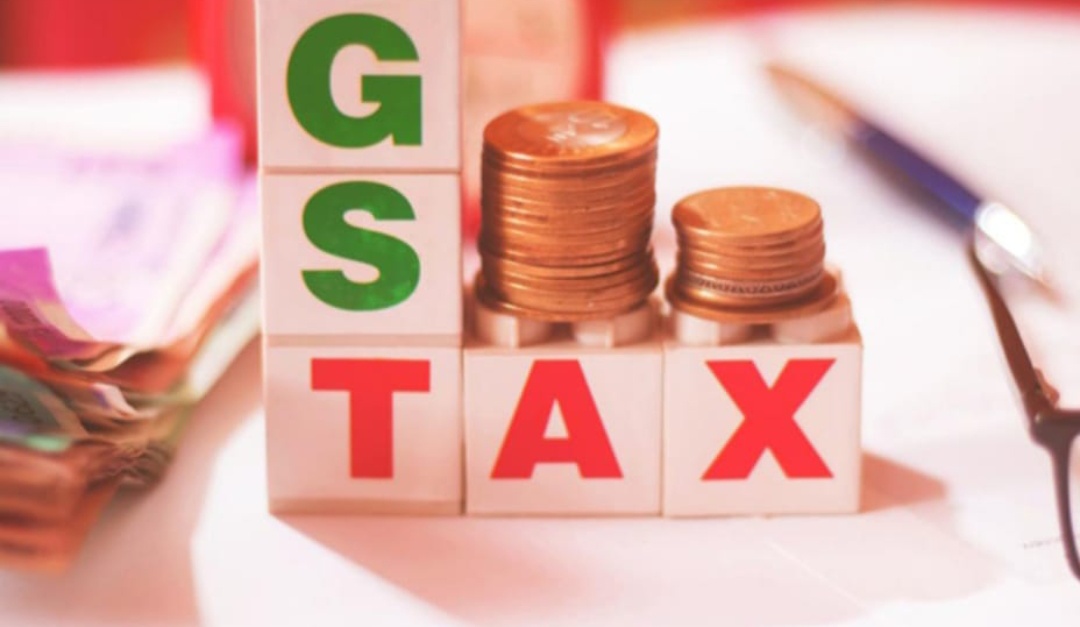
After years of squeezing the public dry, the Central Government has now grandly introduced changes in the Goods and Services Tax (GST) system changes that look like butter being spread by the very hand that caused the burns. While rulers claim that taxes have been significantly reduced and that ordinary people can now celebrate, doubts remain about whether the benefits will actually reach them. From the 22nd of this month, the new GST system came into effect. On the eve of its launch, Prime Minister Narendra Modi addressed the nation and described the festive season of Dussehra and Diwali as a ‘GST Savings Festival’. NDA coalition leaders passed resolutions in various meetings congratulating Modi and delivered long speeches about the benefits of ‘GST 2.0’.
However, neither Modi nor the other NDA leaders spoke a single word about the heavy burden that was imposed on the people all these years. They also failed to clarify how much a family would actually save. In fact, neither the Central nor State governments released concrete details of how much prices of individual goods would fall. It should be noted that it was the BJP government under Modi’s leadership that imposed GST in 2017 claiming it was a unified tax to replace multiple indirect taxes but in reality, it was designed for the benefit of corporations. Over the decades, due to liberal economic policies, the purchasing power of ordinary citizens has drastically declined. With the complexity of GST and its endless slabs, prices of essential goods soared, sparking widespread public outrage across the country. Opposition parties even labeled it the ‘Gabbar Singh Tax’. Meanwhile, small and medium industries shut down, leading to massive job and livelihood losses, while Trump’s tariffs added further strain. In the end, the government was forced to reduce GST not out of concern for the people, but to stimulate the domestic market for corporate gain. But even with these reforms, are the benefits really reaching the poor..?? The answer appears to be no. According to government figures, over the past seven years, Modi’s government collected a staggering ₹55 lakh crore through GST, squeezing citizens from birth to death. Now, the estimated tax reduction through these latest reforms is only about ₹2.25 lakh crore. So, how much was extracted from the common man and how little is being returned..?? While the Centre ignored staples like idli and dosa, it reduced GST on chapatis and parathas sparking criticism that this was done with an eye on the Bihar elections.
Meanwhile, food delivery services like Zomato and Swiggy have been placed under the 18% GST slab. The same slab also applies to raw materials needed by the handloom sector, which provides employment to millions. Some medicines have been placed under the zero slab, but the raw materials needed for their production are still taxed. Even 24 hours after GST 2.0 came into effect, prices of milk and other essentials did not fall. Businesses argue that the reduction does not apply to old stock. Some companies even raised prices of their products just days earlier, rendering the GST cut meaningless. If the government truly intended to benefit ordinary people, it should have released clear, item wise details of pre and post GST prices. Simply reducing GST rates is not enough. To increase purchasing power, the government must also implement other urgent measures such as raising real wages and creating employment opportunities. Only then will domestic industries and MSME’s receive real support, and only then will India take genuine steps toward self-reliance.