
A response written as part of a discussion about ‘Hahnemann’, the father of Homeopathy.
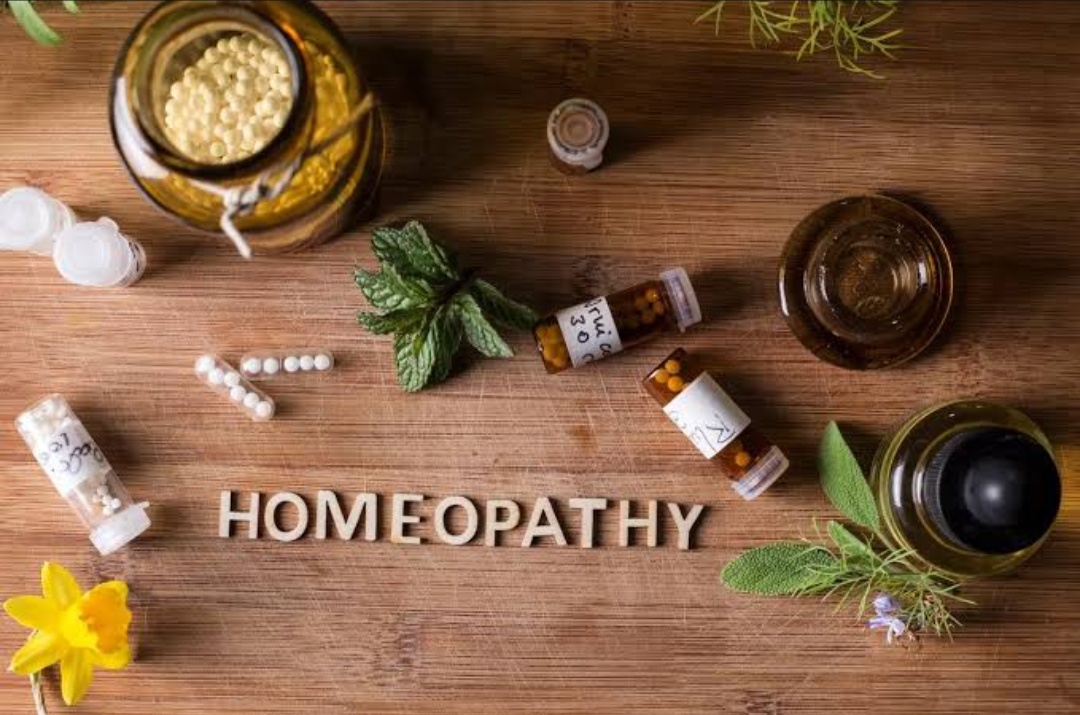
The renowned German allopathic practitioner, after years of practicing allopathy, observed that while some diseases were being alleviated, others emerged as side effects. For instance, after asthma was treated, joint pains would arise. When rheumatoid arthritis was controlled, severe skin conditions would surface. As a doctor, he felt that such a treatment system, which couldn’t ensure complete healing, couldn’t be considered legitimate. He pondered whether it might be possible to treat diseases with smaller doses rather than sending large amounts of drugs into the body. His intention was to reduce dosage so that vital organs like the liver, kidneys and heart wouldn’t be overwhelmed or harmed by toxic drug levels. With this idea, he selected about a hundred naturally available substances and began his research. The samples he used were similar to those used in allopathy, derived from nature. For example, the malaria medicine is made from cinchona bark. When he administered it in extremely small doses using a method called potentization, he noticed a reduction in malarial symptoms. Hahnemann didn’t have mice or guinea pigs for his experiments. Instead, his hundred disciples took the medicines he prepared and recorded the effects on themselves in detail. Thus, they carefully observed and documented how each substance affected the human body. This was a highly scientific and unprecedented approach human trials conducted on humans for the benefit of humanity. Hahnemann’s goal was not to make money, but to create a system that would rid humanity of diseases. His honesty and dedication become evident when one understands this. In fact, one of his disciples, Hering, even injected himself with the venom of a dangerous snake to test its effects, nearly dying in the process. This same substance later became the medicine called Lachesis. Throughout history, many scientists have risked their own lives for the sake of saving others. Hahnemann’s disciples included many prominent physicians, some of whom were experts in physiology, anatomy and pharmacology. They personally recorded the effects of each medicine without omission. Reading his works, Materia Medica and Organon, reveals just how meticulous and honest his research was. It’s rare to find such sincere dedication to human health.
In this context, we should also remember Louis Pasteur. Initially focused on fermenting beer, he shifted his focus when he learned that rabies from dog bites was claiming many lives. In those days, people bitten by rabid dogs were locked in iron cages outside the city, screaming in fear and pain. Pasteur’s heart ached at these scenes. He isolated the virus from the brains of rabid dogs in his lab and discovered a vaccine. Uncertain whether it would work, one day a mother brought her seven-year-old son to Pasteur and placed him at Pasteur’s feet, crying ‘Sir, this boy is going to die anyway. We have heard you are developing a medicine. Please try it on him. Live or die, he will be yours’. That child survived. His name was Joseph. This was a historic moment in human medicine. For the rest of his life, Joseph stood guard at the Pasteur Institute, watching over the man who gave him life. When the Germans bombed the institute during WWII, unable to bear the sight, Joseph jumped from the building and ended his life.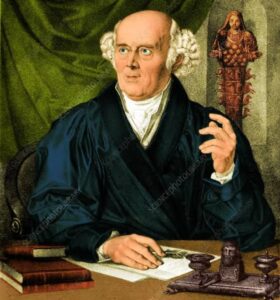
Hahnemann was no less than Pasteur. Many ridiculed his medicines as unscientific, dismissed potentization as a lie. Yet molecular biology has proven the concept of molecular memory and that even microdoses can be effective. Despite this, because such methods are not profitable, there were extensive campaigns backed by articles in prestigious medical journals to discredit homeopathy. We believed that a small piece of uranium could destroy Hiroshima and Nagasaki. We believed that all the books in the Library of Congress could fit in the tip of a needle. But many still struggle to believe in homeopathy, where tiny sugar pills carry the essence of a medicinal substance. As long as a treatment causes no harm and is practiced with the intent to heal not for profit there’s no need to ridicule it. Thousands of doctors have different opinions on this. Renowned thinkers like Brahmam, who wrote the Bible Bhandaram and his friend Innaiah practiced homeopathy throughout their lives. Even those well versed in allopathic literature, like Pavuluri Krishna Chowdary and Ramayya, administered homeopathic treatments.
● What does all this mean?
In this vast universe, our understanding is not even the size of an atom. Our grasp of the human body is minuscule. How does a 70 gram kidney purify gallons of blood? How does a small heart muscle have the power to push blood as if moving the waters of a lake? Human physiology is full of such wonders. Since our understanding of medicine is still incomplete, true wisdom lies in trying to comprehend these things with empathy. This essay is not meant to criticize anyone but to offer a different perspective.