

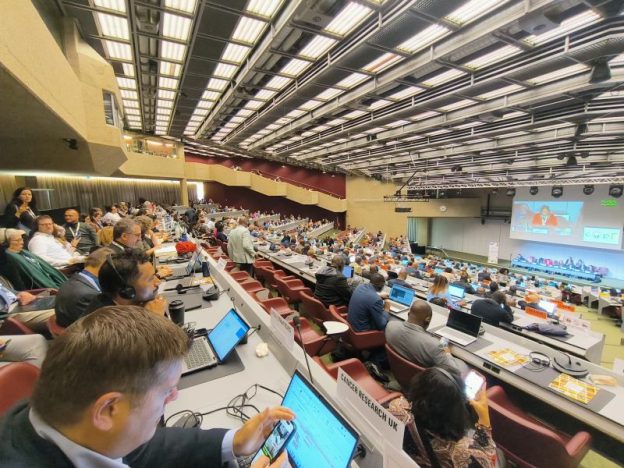
The 11th Conference of the Parties (COP11) to the Framework Convention on Tobacco Control (FCTC) in Geneva has become a hotbed of debate, raising doubts about the World Health Organization (WHO)’s response to scientific evidence on tobacco harm reduction and the tobacco control direction for member states.
Scientific Community Raises Concerns Ahead of COP11
On the eve of COP11, the tobacco control scientific community has spoken out against the WHO’s position. More than 50 independent experts in the fields of pharmacology, toxicology and public health policy said that the WHO’s strategy of equalizing the toxicity of smokeless tobacco products and traditional cigarettes could cause the world to miss out on the opportunity to reduce up to 8 million deaths a year from smoking.
Experts cite a Cochrane review, considered the “gold standard” of medical evidence, which found that smokeless products are more effective at helping people quit than nicotine patches or gum. However, the WHO maintains that harm reduction is a tobacco industry concept rather than an evidence-based public health strategy.
Concerns Over Funding Scale and Extreme Measures Leading to Global Impact
According to sources, WHO’s current tobacco control budget is about more than 1 billion USD. However, WHO is now calling for an increase in funding of up to $9 billion to achieve the goal of eliminating the use of all nicotine products, an increase of 800% in the context of economic and health crises in many countries.
At COP11, nine European Union (EU) countries – Italy, Greece, Poland, Romania, Bulgaria, Lithuania, Cyprus, Portugal and the Czech Republic – expressed concern that excessive controls and lack of a clear scientific basis could inadvertently pave the way for increased smuggling, rather than contributing positively to the goal of protecting public health.
