

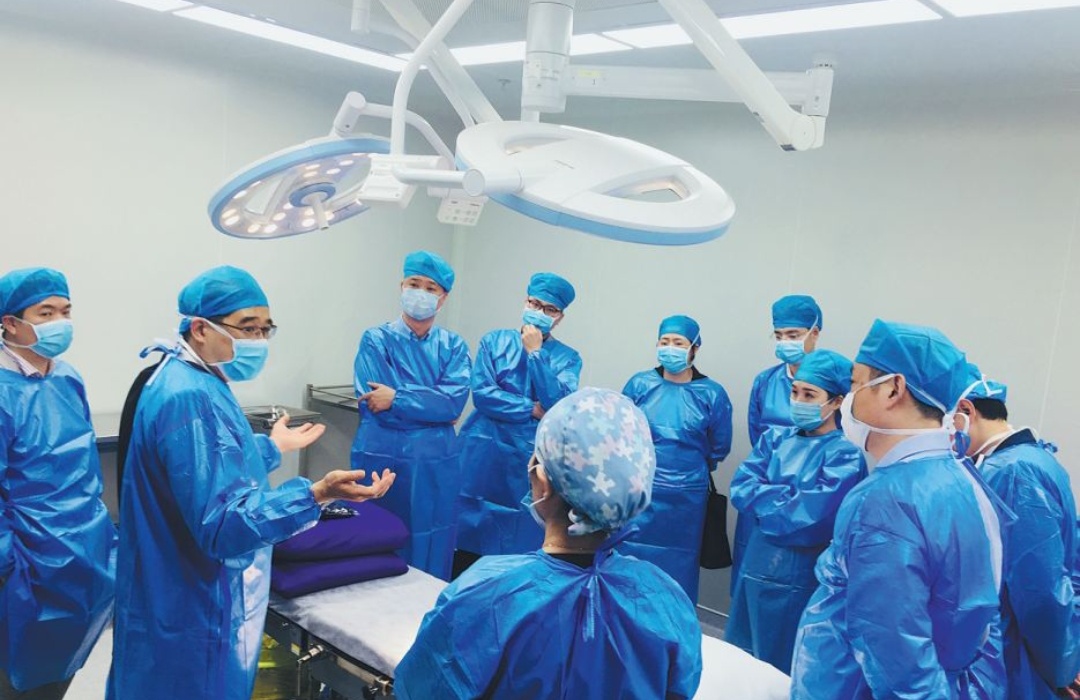
This is an extremely serious issue India’s healthcare system is on the verge of collapse and even the Indian Parliamentary Committee has acknowledged it. According to a recent Zee News report, nearly 44% of surgeries conducted in India have been found to be fake, fraudulent or unnecessary.I n other words, almost half the surgeries performed in the country are done only to cheat patients or the government and make money.
As per the report 55% of heart surgeries, 48% of hysterectomies (uterus removals), 47% of cancer surgeries, 48% of knee replacements, 45% of C-section deliveries,
and almost half of the surgeries on shoulders and spines were found to be unnecessary or fake. A survey in major hospitals across Maharashtra revealed that senior doctors in big hospitals earn up to ₹1 crore a month. The reason those who order more tests, treatments, admissions, and surgeries (needed or not) get higher salaries or bonuses (Source: BMJ Global Health).
According to the Times of India, some cases were found where dead patients were shown as alive and ‘treated’ to make money. In one shocking incident, a 14-year-old boy, already dead, was kept on a ventilator for a month while his family was charged lakhs of rupees. Later, he was declared dead. After investigation, the hospital was found guilty and fined ₹5 lakh compensation but who can compensate for the emotional trauma suffered by the family? In some cases, hospitals pretended to perform emergency surgeries on patients who were already dead and then claimed they ‘died during the operation’ (Source: Dissenting Diagnosis – Dr. Gadre & Dr. Shukla).
● Insurance (Mediclaim) Frauds.
Although about 68% of Indians have health insurance, claims are often denied or only partially paid when needed. Families end up bearing the remaining expenses. Around 3,000 reputed hospitals have been blacklisted by insurance companies for submitting fake claims. During COVID, many hospitals faked cases to cheat insurance firms.
● Illegal Organ Trade.
In a 2019 Indian Express expose, a woman named Sangeeta Kashyap from Kanpur was taken to Fortis Hospital, Delhi, under the pretext of a job offer. She was admitted for a so called ‘health checkup’. When she heard the word ‘donor’, she grew suspicious and escaped leading to the exposure of a massive international organ smuggling racket involving doctors, staff and police officials.
● Hospital Referral Scams.
Some doctors deliberately misdiagnose patients and refer them to big hospitals.
Hospitals like Apollo, Fortis and Apex reportedly run referral programs. For example Kokilaben Hospital, Mumbai, offered ₹1 lakh for referring 40 patients, ₹1.5 lakh for 50 patients, ₹2.5 lakh for 75 patients. Regardless of the patient’s condition, the doctor’s referral fee is directly deposited into their bank account.
● Diagnostic Lab Scams.
This is a multi-billion-rupee business. In a Bengaluru income tax raid, a famous lab was found with ₹100 crore cash and 3.5 kg of gold, meant as bribes for doctors. Doctors prescribe unnecessary tests to earn 40–50% commissions. India has over 200,000 labs, but only 1,000 are certified.
● Pharma Company Frauds.
Around 20–25 major pharmaceutical companies spend ₹1,000 crore annually on doctors. During COVID, the Dolo tablet manufacturer was exposed for bribery. Doctors are offered cash, foreign trips, and 5-star stays to prescribe certain brands. For instance USV Ltd. gives each doctor either ₹3 lakh or a trip to Australia/USA.
● Hospitals and Pharma Companies – A Collusion.
Some companies supply surgical equipment and medicines at low cost to hospitals, which then charge patients up to 10 times more. According to an India Today investigation,
the cancer drug Temicure (by EMCURE) costs the hospital ₹1,950, but patients are charged ₹18,645.
● Medical Council of India (MCI).
In 2016, a government committee stated that
the MCI was active only in approving new medical colleges, while failing to regulate doctors and hospitals. Key MCI Rules (mostly ignored) Doctors must prescribe generic drugs, not branded ones. Doctors must disclose their fees before treatment begins. Patient consent is mandatory before any test or treatment. Medical records must be preserved for at least 3 years. Doctors must report unethical or unqualified practitioners.
● Massive Corruption in Government Schemes.
For example, ex-servicemen and government employees are admitted for minor ailments, but fake treatment bills are produced to siphon off lakhs of rupees through government schemes often with the collusion of hospital staff and corrupt officials.