

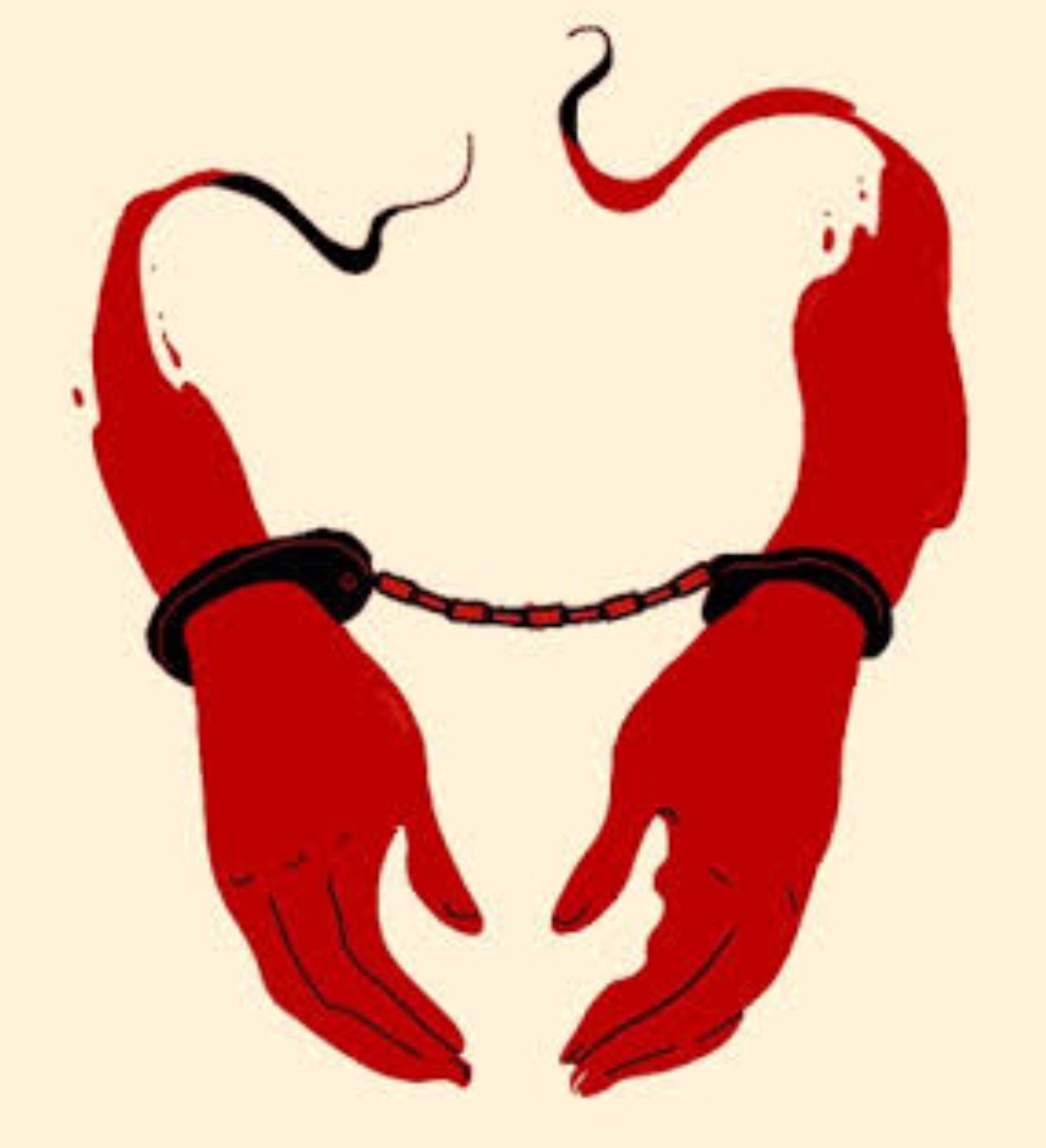
Certain things that a Constitution, a people, a lawful system and a democracy are supposed to do some ‘Maoists’ have demonstrated in action. Living in the forests for decades, they protected the forests as dearly as their own eyes, embraced them close to their hearts and prevented them from falling into the hands of corporate powers. They put their lives on the line for the rights of the Adivasis and at every step opposed the destruction of natural resources. Deep inside the country especially deep inside the forests they stood as a shield for the lives and dignity of the people. There have been countless occasions when they fought against oppression, injustice and illegality. For decades, they echoed as the only defiant voice across the nation. This revolutionary path stopped just a step short of the true development of the people’s lives. Even so, they ruled the hearts of the people for many years and gave forest communities a taste of what real peoples governance could feel like. On the other hand, the police and government forces are the ones who are meant to protect the Constitution and are lawfully appointed. But are all their actions lawful? Are they really protecting citizens or serving as tools of those in power?
In truth, our country’s security system nurtures and safeguards internal traitors. It lends its voice to the corrupt, the unlawful, the land-grabbers, the big bank-loan defaulters and stands firmly behind powerful political leaders living under their command. What does such a democratic system do for ordinary people? What message is it sending? This is the real question. And for this question, some answers appeared to the people in the form of the Maoists answers seen, heard, and felt. That is why these extra-constitutional forces called Maoists have earned the affection of the people.
Today, the name ‘Hidma’ echoes everywhere. In reality, Hidma did very little just a spark. But that little spark looks like a mountain to us because in the current situation there aren’t even people who can create such a spark. Some criticize Hidma saying he was not highly educated. Yet even without higher education, with lofty goals, high values, and strong character, trusting in himself, he fought until his last breath for his forest and his forest people. Today, Hidma has become history. We, who are well-educated and living in the middle of society, must introspect on how much we are actually fighting for public issues. Hidma may not have studied much, but today we are studying about Hidma, and future generations will read about him. Because his was a heroic struggle. Calling Hidma a hero is too little, for the forest people call him a god.
Believing in an ideology, taking up arms and living in the forest, the Maoists did many good things in their fight against exploitation (though there were indeed some misdeeds as well). Their enemy became the police system itself. They drifted somewhat from the path of fighting the true enemy the exploitative system and continued the same pattern till the end. In this, Maoists cannot be forgiven. When they killed corrupt leaders, ordinary people even rejoiced. But when they killed policemen, public disapproval began. On the other side, if this democratic system protects Adivasi rights, safeguards their lives, prevents harm to their forests, protects the forests from land-grabbers, and stands by the forest people, then those very communities might have an opportunity to stand against Maoism and the Maoists. Because of a lack of such trust and assurance, the Adivasis, forest children and ordinary people have supported Maoism for so many years.
For decades, Hidma a formidable and nearly impenetrable force even among Maoists tormented the police, government forces and the administrative system, striking like lightning, causing damage no one else could and never once getting caught. If Hidma were ever captured by the police, they would never let him go. As with anyone else, he would not be offered a handshake, a press meet and a chance to rejoin civil life. Because Hidma was no ordinary Maoist. For the police and the system, Hidma was a lifelong enemy. For a long time, if they feared death, it could well have been in the form of Hidma. So if such a Hidma were caught, release was out of the question.
But Hidma was never the kind to surrender his life of struggle says this clearly. Someone’s deception, false assurances or misplaced trust in traitors cost him his life. Along with his physical body, the self-respect and rights of the Adivasis, and the voice of the forest, were reduced to ashes. With Hidma’s death, the first strong step toward the destruction of forests has been taken. Truly, this is not your death, Hidma this is a new birth. Today’s youth must take Hidma as an ideal not by taking up guns, but by clenching their fists not by entering the forests as Hidma did, but by raising movements in the heart of the city, Now is the time.