
Violence hidden behind the uniform ‘Becomes A Battle For Genuine Democracy’.

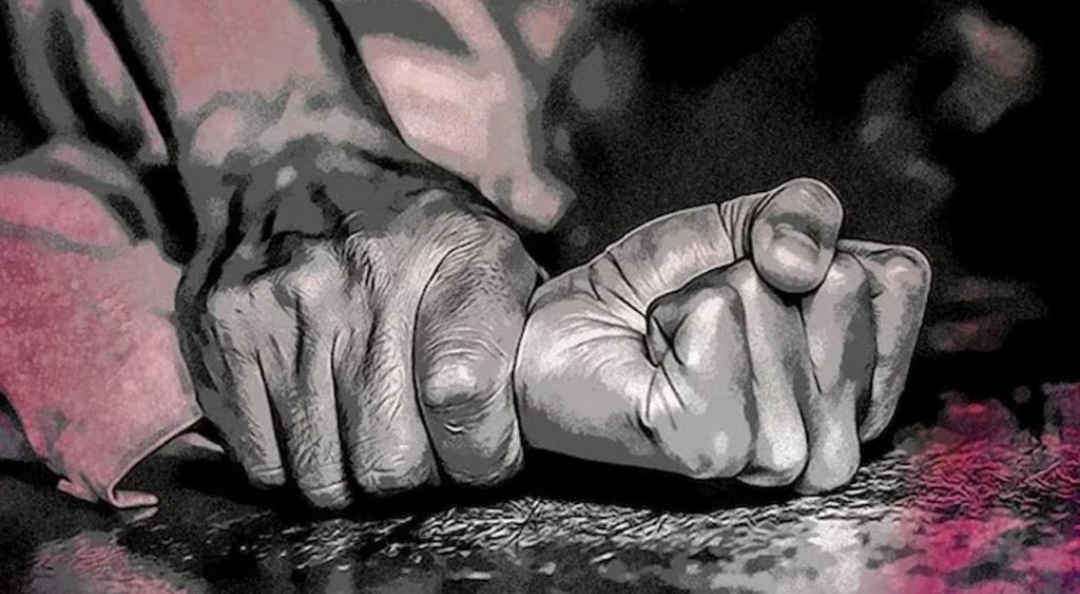
In India, a uniform is no longer merely a symbol of security; it has become a representation of power, fear, and oppression. The state claims that emergency service vehicles like Dial 112 exist to protect people. But the rape of a 19-year-old girl in Korba, Chhattisgarh – inside the very police vehicle meant to ensure safety – exposes the deep decay within the state machinery. This is not simply an individual’s crime; it is a crime rooted in a system of authority created by the state.
● This is not a new story.
In the Vakapalli incident, where the Greyhounds force allegedly raped 13 tribal women at gunpoint, only nine of those women are alive today. The remaining four died while still waiting for justice. That case is still unresolved, and the legal battle continues. Before that, incidents involving the sexual assault of nine tribal women in Srikakulam district and the sexual violence committed by security forces during so-called ‘Combing Operations’ in the Bastar–Basaguda regions of Chhattisgarh followed the same pattern. The name ‘Naxalites’ and the cover of ‘Security’ are used, but the targets remain tribal women’s bodies.
This is a political war – not fought merely with guns. The state understands that humiliating women is among the most effective ways to subjugate an entire community. That is why the bodies of tribal, Dalit and poor women have become battlefields in India’s internal conflicts. Governments have changed – whether Congress, BJP or TDP but the nature of state power has remained unchanged.
● Statistics reveal painful truths.
Statistics confirm this reality. By 2022, more than 31,000 rape cases had been reported nationwide – an average of about 86 to 91 women every day. Telangana recorded 20,865 cases, while Andhra Pradesh recorded 17,752. Rajasthan, Madhya Pradesh and Uttar Pradesh had the highest numbers, while Delhi led among metropolitan cities. In nearly 89% of cases, the accused were known to the victim. However, when the accused are police officers or security forces in tribal regions, cases often disappear without even being registered. By 2024, crimes against women reportedly increased by 4%, yet the conviction rate stood at only 1.61%. The law itself is clear. Under Section 64(2) of the new Bharatiya Nyaya Sanhita (BNS), if a police officer rapes a woman under his authority, the punishment ranges from a minimum of 10 years to life imprisonment. Former IPC Section 376(2)(a) stated the same. According to Section 114(a) of the Evidence Act, in cases of custodial rape, if sexual intercourse is established, the burden shifts to the accused to prove that it was consensual.
● Yet police personnel rarely face punishment.
Because the investigators themselves are often colleagues of the accused. Legal protection and institutional complicity become the real crime here. This is not a case of individual moral failure; it is institutional criminality. When a police officer commits rape, responsibility does not rest solely on that individual. The Chief Minister, Home Minister, DGP and the larger security structure that authorized such operations also bear responsibility. Therefore, arresting only a constable does not amount to justice. Cases should be filed against the state government, police department and home department under the SC/ST Atrocities Act. But another disturbing barrier exists: under laws like the Armed Forces Special Powers Act (AFSPA), and under Section 197 of the Criminal Procedure Code (now reflected in BNSS provisions), prosecuting a government official for actions performed while on duty requires prior approval from the same government. In other words, the accused is a government employee, and the authority granting permission is the government itself. This is not justice; it is a legal shield protecting the state’s own offenders. In places like Vakapalli, Basaguda, Bastar and Korba, cases often die before even reaching the courts because they are stopped by this wall of sanction.
● Democratic institutions remain silent.
What are the SC and ST Commissions doing? When Vakapalli women fought for justice, when Bastar tribal communities cried out, when the Korba victim sought justice – why did these commissions remain silent..?? Their responsibility is to protect victims and question authorities. Yet in reality, they have become little more than rubber stamps for governments. The silence of the media and civil society is equally troubling. But this is not mere negligence; it is fear – fear of being branded anti-government. As a result, atrocities against tribal women remain invisible to the nation. Laws exist on paper – the Nirbhaya Fund, fast-track courts, women’s policing initiatives – but in practice, the state bends toward caste and class interests. The poor receive swift punishment, while police personnel, politicians and the wealthy receive delays and clean chits.
That is why this struggle is not merely for justice; it is a struggle against the nature of state power itself. Every voice, every article and every movement that exposes the violence hidden behind the uniform becomes a battle for genuine democracy.